


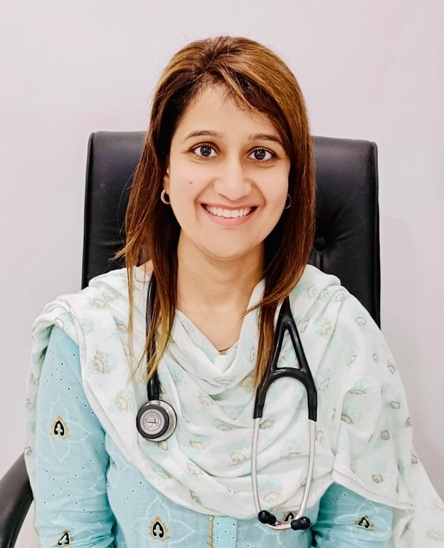
Dr Aafrin Shabbir, Medical Director, Senior consultant and Diabetologist, Tambaram medical centre and CODE CLINIC, Chennai.
Chennai : Women’s health is not defined by a single phase of life it’s A Lifelong Journey From infancy to childhood into adolescence, And the beautiful reproductive phase, perimenopausal age followed by menopause & into healthy aging. Every step is unique, every stage causes emotional, social, hormonal & physical changes. A woman always places her health at last spot, or the last on their priority list they forget “First Me” or “I am a priority”. Awareness, preventive care and timely medical consultation can help women recognise health concerns early and make informed choices throughout life.
Childhood: Building the Foundation for Lifelong Health
A time to establish healthy habits, adequate balanced nutritional support for growth & bone health as well as a friendly environment at home for a sound mental wellbeing . Regular physical activity, games of their choice and a regular healthy sleep pattern help build a healthy habit. Emotional wellbeing too plays a vital role for child mental health development. They observe and absorb what they see rather than listening to orders of the adults. So, parents are shaping the adult that child may become. Young girls should also be encouraged to speak confidently about their needs and concerns. Creating an environment where they can ask questions without hesitation can help them develop into healthier and more confident adults.
Adolescence: A Period of Transformation
Adolescence Hormonal & physical changes appear, and menstruation begins at this age group. Irregular cycles, heavy flow, absence of menstruation, painful periods are concerns to be counselled & every female child should be educated on that. Disorders like anemia, thyroid, PCOS, eating disorders are common in this group. A diet adequate in protein, regular exercise and good sleep and menstrual hygiene education is a must.
The 20s and 30s: Investing in Future Health
Future health, career and family Lifestyle changes, healthy eating pattern, mental health and reproductive health deserves attention at this group. Education on OCP, STDs, fertility and family planning are important at this stage. In late 20s and early 30s if they don’t follow healthy lifestyle patterns, insulin resistant, weight gain, thyroid problem, SHTN, nutritional deficiency may set in. Due to these pregnancy related complications like GDM, PIH can complicate & make these individual prone to DM, CVD in later stage of their life.
The 40s: Perimenopause and the Need to Prioritise Yourself
Perimenopause Time to focus on yourself because this phase changes your emotional & physical state. Weight gain, physical activity, muscle mass, hormonal changes attribute to weight. Dyslipidemia, DM, SHTN sets in if not taken care. Cycles may be irregular, hot Dyslipidemia, Disturbances, mood swings, libido is common. Best place to work on yourself. Yoga, strength training and a healthy food habit and family support is important to overcome challenges in 40s. So, focus on 3 M’s – Muscle, mental wellbeing and metabolism. Focus at 40 for health check-up.
The 50s: Menopause – A New Beginning
50s Menopause A new beginning End of reproductive age, decline in estragon causing changes in bone health and metabolic health. Calcium & Vit D supplements Regular cardio and resistant training is important on alternate days. Few changes like hot flashes, sleep problem are common like in 40s. Dry vagina is another common issue. Individual management for each woman, differs from Individual to individual. Many do well with supplements and lifestyle modifications.
60s and Beyond: Ageing with Strength and Independence
As women grow older, maintaining muscle strength and mobility becomes increasingly important. Regular physical activity, strength exercises and adequate nutrition can support physical function. Preventive health checks and appropriate monitoring of conditions such as diabetes, hypertension, cardiovascular disease and cancers should also continue according to individual risk and medical advice. Staying socially connected is equally valuable. Meeting friends, participating in community or group activities and maintaining meaningful relationships can contribute to emotional well-being.
Make Yourself a Priority
Women’s health should never be treated as a series of isolated events. It is a continuum—from childhood and adolescence to reproductive health, perimenopause, menopause and healthy ageing. A life-course approach recognises that experiences and health choices at one stage can influence health in later years.
Listen to your body. Ask questions. Get appropriate preventive health checks. Stay physically active. Eat well. Prioritise your mental health. Seek medical advice when something feels different or concerning.
***
